



The merger of NLS Pharmaceutics Ltd. (NASDAQ: NLSP) and Kadimastem Ltd. (TASE: KDST) has drawn renewed interest from both investors and the scientific community after the BIRD Foundation confirmed its continued milestone-based support for the iTOL-102 diabetes cell-therapy program. The decision offers a rare vote of confidence in a capital-intensive biotech environment and signals institutional validation of the merged company’s direction as it transitions into NewCelX Ltd., a Nasdaq-listed biotechnology entity combining Swiss financial access with Israeli cell-therapy innovation.
All material conditions for the merger have been satisfied, and NewCelX is expected to begin trading under the ticker “NCEL” on October 31, 2025. For shareholders and analysts, the deal represents a convergence of complementary strengths—Kadimastem’s stem-cell expertise and NLS Pharmaceutics’ public-market position—underpinned by BIRD Foundation funding continuity that keeps the flagship diabetes program on track.
How continued BIRD Foundation support may shift investor confidence in next-generation diabetes therapies
The BIRD Foundation, a joint U.S.–Israel industrial R&D fund, is known for selective backing of projects that demonstrate clear binational economic potential. Its decision to maintain funding for iTOL-102 after the merger acts as an implicit third-party endorsement of the scientific and commercial rationale behind the transaction. The most recent milestone payment of roughly NIS 564,400 (US $166,000) brings total BIRD support to nearly NIS 3 million (US $882,000)—a non-dilutive contribution that offsets early-stage risk.
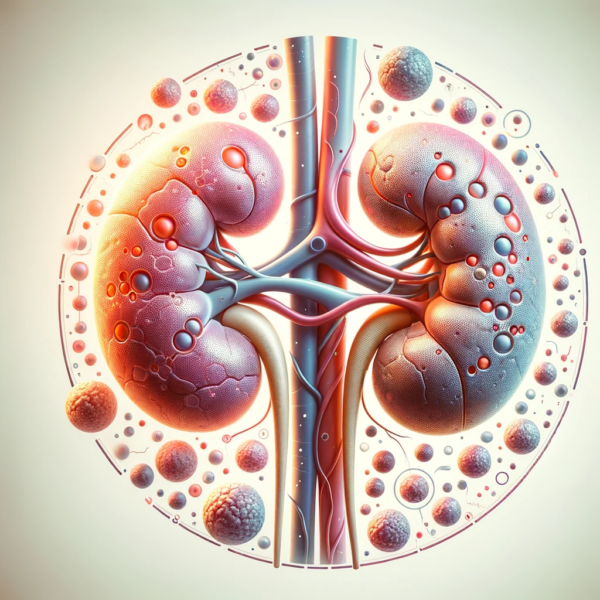
The iTOL-102 initiative merges Kadimastem’s IsletRx technology, which generates insulin-producing islet-like cells from pluripotent stem cells, with iTolerance Inc.’s iTOL-100 immunomodulation platform designed to prevent immune rejection without chronic immunosuppression. If successful, this combination could offer a one-time curative treatment for Type 1 diabetes, a disease that currently depends on lifelong insulin therapy. The project has already achieved a Type B Pre-IND meeting with the U.S. Food and Drug Administration, clearing regulatory hurdles ahead of First-in-Human studies.
For investors tracking innovation trends, the BIRD Foundation’s continued involvement sends a strong signal that NewCelX’s pipeline carries scientific legitimacy and binational commercial potential. Non-dilutive grants like BIRD funding also enhance valuation multiples during preclinical phases, as they demonstrate that external evaluators see credible translational potential.
Why the NLS–Kadimastem merger broadens NewCelX’s footprint in metabolic and regenerative medicine
The merger marks a transformational pivot for NLS Pharmaceutics, which until now was primarily focused on central-nervous-system indications such as narcolepsy and ADHD. By integrating Kadimastem’s advanced stem-cell manufacturing platforms, NewCelX is positioned as a diversified biotech with exposure to metabolic, regenerative, and neurodegenerative markets.
This structural shift allows NewCelX to pursue multiple revenue pathways—from partnering and licensing to internal pipeline advancement. The dual-jurisdiction framework, anchored in Switzerland and Israel, enhances both its R&D and capital-market optionality. Analysts have described it as “a hybrid biotech model capable of leveraging grant ecosystems while accessing Western exchanges,” offering a more resilient capital strategy than typical single-jurisdiction startups.
Kadimastem’s GMP-certified manufacturing facility in Ness Ziona, Israel, now becomes NewCelX’s primary cell-production hub. Retaining this site is critical: it consolidates the company’s control over its intellectual property, ensures quality consistency, and offers competitive cost advantages in comparison to U.S.-based contract manufacturers. Such vertical integration strengthens the company’s long-term margin potential—an element often under-appreciated in early-stage valuations.
How investor sentiment and Nasdaq dynamics evolved as NLS shares transitioned toward NewCelX
When the merger was announced, NLS Pharmaceutics’ (NLSP) share price initially dropped by more than 15 percent, a common short-term reaction to structural changes and perceived dilution risk. The company’s low trading volume and market capitalization below US $10 million had already placed it near the Nasdaq minimum-listing threshold, forcing a 1-for-10 reverse share split to maintain compliance and prepare for the transition to NewCelX Ltd. (NASDAQ: NCEL).
While retail investors reacted cautiously, institutional sentiment has been gradually stabilizing. Analysts note that the merger, paired with a tangible non-dilutive funding pipeline, could support gradual re-rating once key regulatory milestones are achieved. The Q4 2025 trading window is expected to test whether the market values NewCelX as a regenerative-medicine entrant rather than a legacy CNS micro-cap.
In capital-markets context, reverse splits are often seen as defensive maneuvers, but in this instance they may act as a foundation for uplisting credibility. Several comparable companies—Sernova Corp., ViaCyte Inc., and Vertex Pharmaceuticals’ (through its acquisition of Semma Therapeutics)—have experienced valuation surges following credible clinical milestones. If NewCelX’s iTOL-102 advances toward IND clearance, it could follow a similar trajectory, attracting strategic interest from large-cap peers seeking pipeline diversification in metabolic disease.
How NewCelX’s competitive positioning compares to global players in diabetes cell therapy
Within the competitive landscape, Vertex Pharmaceuticals currently leads the field with its VX-880 program, which has shown promising insulin-independence outcomes in early trials but still requires immunosuppression. Sernova Corp. and Sigilon Therapeutics (now part of Eli Lilly) are pursuing encapsulation or immune-protection technologies that seek to bypass systemic drugs but remain at earlier stages of validation.
By contrast, NewCelX’s iTOL-102 uniquely combines stem-cell-derived insulin-producing cells with a biomaterial-based immunomodulatory platform, aiming to achieve durable cell survival without lifelong medication. This distinction could provide both clinical differentiation and commercial appeal, particularly if manufacturing scalability allows per-patient cost reduction below competing models.
The partnership with iTolerance Inc. also gives NewCelX a foothold in the U.S. innovation ecosystem, creating a smoother path to clinical trials and potential co-development with major pharmaceutical companies. Industry watchers point out that large biopharma firms, especially Eli Lilly, Novo Nordisk, and AstraZeneca, are actively exploring collaborations in cell-based diabetes interventions. A successful IND filing could thus make NewCelX a candidate for early licensing discussions or joint R&D agreements.
What financial and strategic metrics investors will watch as NewCelX begins trading on Nasdaq
As trading begins under the NCEL ticker, investors will closely monitor liquidity, cash reserves, and funding runway. The combined company will likely need additional capital within 12 months to sustain preclinical work and IND-enabling studies. However, the BIRD Foundation’s milestone structure may attract matching private investment, easing financing pressure.
Comparable deals in the cell-therapy segment—such as ViaCyte’s US $320 million acquisition by Vertex Pharmaceuticals or Sernova’s CA $20 million placements—illustrate how validated preclinical assets can quickly scale in value. If NewCelX’s pre-IND studies confirm the durability of its immunomodulation technology, analysts foresee potential valuations in the US $100–150 million range before Phase 1 completion, contingent on regulatory progress and partnership depth.
Operationally, maintaining production in Israel while listing in the U.S. and managing governance from Switzerland offers structural flexibility. It allows the company to pursue European grants and Israeli R&D incentives while meeting Nasdaq’s transparency standards. The model could serve as a case study for emerging biotechs seeking to pair capital efficiency with global investor access.
How the merger and BIRD support reshape biotech’s path toward an immunosuppression-free diabetes cure
Beyond the immediate capital-markets implications, the NLS–Kadimastem merger highlights a broader evolution in how regenerative-medicine companies pursue growth. Instead of relying solely on venture capital, NewCelX leverages binational grants, cross-border IP structures, and dual regulatory frameworks to optimize both funding and operational flexibility.
The broader market potential is significant. Analysts forecast that the global diabetes-care market will exceed US $310 billion by 2030, with curative or disease-modifying therapies accounting for the fastest-growing segment. Within that context, NewCelX’s non-immunosuppressive approach represents not just a scientific breakthrough but also a strategic play for high-value reimbursement models. Unlike conventional insulin or device-based therapies, a curative cell therapy could command premium pricing and long-term payer interest due to its potential to eliminate lifelong treatment costs.
In the months ahead, market participants will watch for three triggers: confirmation of the merger closing, regulatory updates from the FDA on iTOL-102, and any announcements regarding strategic partnerships or manufacturing expansion. Should NewCelX achieve even preliminary validation of immune-tolerant islet cell survival, it could rapidly shift from a micro-cap biotech story to a frontrunner in regenerative metabolic medicine.
While execution risks remain high, particularly around funding continuity and clinical translation, the company’s unique mix of scientific depth, binational structure, and institutional endorsement has created a base of cautious optimism. The coming year will determine whether that optimism can translate into measurable investor returns and clinical progress in the global race to cure diabetes.
Discover more from Business-News-Today.com
Subscribe to get the latest posts sent to your email.