




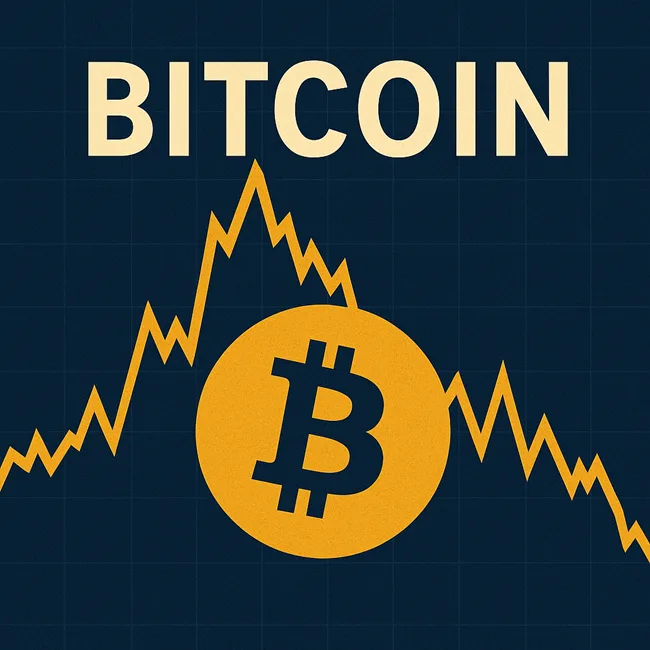
Bitcoin’s mid-August rally offered a dramatic reminder of how quickly sentiment can shift in the cryptocurrency market. On 14 August 2025, the world’s largest digital asset surged past $124,000 for the first time, setting a new record high and fueling talk of an extended run toward $150,000. However, the momentum quickly faded as U.S. inflation data and a stronger dollar triggered profit-taking, sending the price back toward $117,400 by the end of the week.
What fueled bitcoin’s record-setting rally before the sudden pullback in August 2025?
The rally was driven by a combination of macroeconomic hopes, regulatory developments, and a fresh wave of institutional interest. According to Reuters, traders initially piled into bitcoin on expectations that the U.S. Federal Reserve would begin cutting interest rates sooner rather than later. The optimism was bolstered by policy signals from Washington, where the administration of President Donald Trump has pushed for looser cryptocurrency regulations.
One of the most significant tailwinds came from an executive order allowing crypto assets to be included in 401(k) retirement accounts. Coupled with recent legislation providing legal clarity for stablecoins, these measures created a perception of a friendlier U.S. regulatory environment. Analysts pointed to these developments as a key reason why bitcoin has already climbed 32 percent in 2025, even before the August rally.
Market sentiment was further lifted by what market watcher Tony Sycamore described as “tailwinds from regulatory wins.” He suggested that a clean break above $125,000 could open the door for a move toward $150,000, underscoring the psychological significance of the milestone.
Why did bitcoin retreat sharply after hitting an all-time high?
Despite the bullish mood, the rally proved short-lived. By late in the week, bitcoin had fallen back to around $117,400. This reversal coincided with the release of U.S. producer price index (PPI) data, which came in hotter than expected and stoked fears that inflation could remain stubbornly high. The data diminished expectations for aggressive rate cuts, leading to a rebound in the U.S. dollar index and a cooling of risk appetite across asset classes.
Equity market reactions underscored the shift in sentiment. Shares of MicroStrategy Incorporated (NASDAQ: MSTR), one of the most prominent corporate holders of bitcoin, fell more than 4 percent as traders locked in profits. Other crypto-linked equities, including mining firms and blockchain service providers, also saw declines.
Pullbacks of this kind are common in bitcoin trading, where sharp rallies are often followed by equally sharp corrections as traders reassess macroeconomic factors.
How do inflation and interest rate expectations influence bitcoin’s price trajectory?
Bitcoin’s dual identity—as both a speculative risk asset and a potential inflation hedge—creates a complex relationship with macroeconomic data. When inflation concerns rise and central banks are perceived as likely to keep rates higher for longer, short-term speculative flows into bitcoin often diminish. Higher interest rates strengthen the dollar and make traditional yield-bearing assets more attractive, reducing demand for non-yielding, volatile assets like bitcoin.
Conversely, when rate cuts are on the horizon and real yields decline, bitcoin often benefits from capital seeking higher-risk, higher-reward opportunities. This dynamic explains why the August rally was so closely tied to the prospect of easier Fed policy, and why that narrative unraveled so quickly after the inflation data release.
What role is institutional adoption playing in bitcoin’s current market cycle?
Institutional adoption remains one of the most important long-term drivers for bitcoin, and recent policy changes have accelerated the trend. The ability to hold crypto assets in retirement accounts represents a structural expansion of the potential investor base. Additionally, spot bitcoin exchange-traded funds (ETFs) have gained momentum in the U.S., providing a regulated and accessible vehicle for exposure.
Institutional investors view these developments as signs that bitcoin is maturing into a more integrated part of the financial system. However, many remain cautious due to concerns over liquidity, volatility, and the lack of a universally accepted valuation framework. This cautious optimism means that while long-term holders see the August dip as a buying opportunity, short-term market participants may be more sensitive to macroeconomic headwinds.
How are technical levels and market psychology shaping bitcoin’s trading range?
Technical traders have identified $125,000 as a key psychological and resistance level. A decisive close above this threshold could trigger momentum-driven buying, especially from algorithmic trading systems and momentum funds. On the downside, support is seen in the $110,000–$115,000 range, where previous pullbacks have found buyers.
Market psychology plays a significant role in bitcoin’s price action. Large round numbers, like $100,000 and $125,000, often act as self-fulfilling barriers because they align with investor perception and automated trading strategies. Breakouts above these levels can lead to rapid, outsized gains—while failures to hold them can produce equally swift declines.
What is the outlook for bitcoin for the remainder of 2025?
Looking ahead, the trajectory of bitcoin will hinge on the interplay between macroeconomic policy, regulatory developments, and institutional flows. Analysts expect volatility to remain elevated as traders react to each new data release on inflation, employment, and Federal Reserve policy.
If the U.S. economy shows signs of slowing and the Fed pivots toward rate cuts, bitcoin could make another run at $125,000 and potentially higher. Conversely, persistent inflation and a strong dollar could keep prices range-bound or trigger deeper corrections.
From a broader perspective, the August surge and retreat illustrate the evolving but still speculative nature of bitcoin as an asset class. While it has made significant strides toward mainstream adoption, it remains highly sensitive to short-term sentiment shifts and external policy decisions.
How are institutional and retail investors weighing bitcoin’s long-term potential against short-term volatility risks?
Institutional investors appear divided. Bulls emphasize the long-term case for bitcoin, citing limited supply, growing acceptance in retirement and institutional portfolios, and the potential for technological innovation in blockchain-based financial systems. Bears focus on the asset’s notorious volatility, regulatory uncertainty in global markets, and vulnerability to macroeconomic shocks.
For individual investors, most financial planners continue to view bitcoin as a high-risk, long-duration asset that should sit within the speculative portion of a diversified portfolio. The cryptocurrency’s history of double-digit percentage swings within days—or even hours—means position sizing is critical.
Advisers often suggest allocating only a small fraction of investable assets to bitcoin, at a level that can be held through 50–70 percent drawdowns without triggering a forced sale. This disciplined approach allows investors to participate in potential upside from long-term adoption trends—such as the integration of digital assets into retirement accounts and the growth of spot bitcoin ETFs—while preserving overall portfolio stability. Diversification across asset classes, geographies, and sectors remains key to cushioning the impact of bitcoin’s volatility, and rebalancing periodically can help lock in gains during rallies and reduce exposure during overheated markets.
Discover more from Business-News-Today.com
Subscribe to get the latest posts sent to your email.