


What does T-Mobile’s $4.3 billion acquisition of UScellular’s wireless unit mean for Array’s future?
T-Mobile US, Inc. has officially closed its $4.3 billion acquisition of United States Cellular Corporation’s wireless operations and certain spectrum assets, the companies announced on August 1, 2025. The transaction marks a pivotal transformation for UScellular, now rebranded as Array Digital Infrastructure, Inc. (NYSE: USM, to be AD). The divestiture includes $2.6 billion in cash proceeds and approximately $1.7 billion in debt assumed by T-Mobile through a debt exchange offer expected to finalize on August 5.
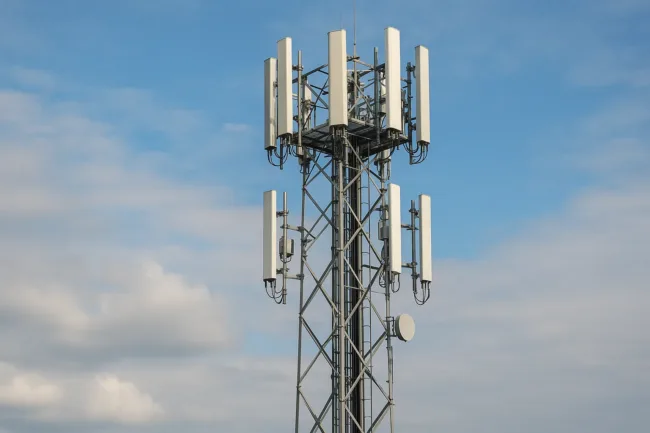
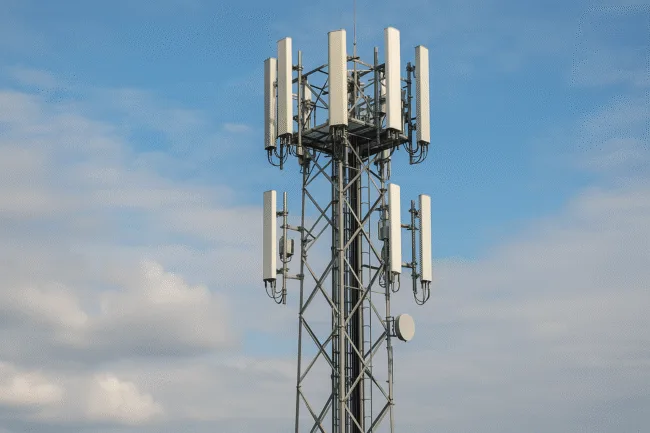
The deal concludes a multi-decade era for UScellular’s wireless business and simultaneously launches Array as a focused player in the growing tower infrastructure segment. With the sale complete, Array retains approximately 4,400 cell towers, making it the fifth-largest tower business in the United States.
How is Array Digital Infrastructure positioned after exiting the wireless service business?
The rebranded Array Digital Infrastructure, Inc. will continue as a shared communications infrastructure owner with a geographic footprint stretching coast to coast. Alongside its tower portfolio, Array retains several noncontrolling investment interests and spectrum holdings. The repositioning of the business focuses on high-demand tower leasing, particularly as carriers including T-Mobile expand 5G deployment and densify their networks.
Array is expected to benefit from a robust tenancy agreement. As part of the closing, T-Mobile signed a 15-year Master License Agreement to become a long-term tenant on at least 2,015 of Array’s towers. Additionally, it has extended lease agreements for around 600 towers where T-Mobile is already present. These arrangements secure a significant portion of long-term contracted revenues and solidify T-Mobile’s role as an anchor tenant, ensuring predictable cash flows and stability for Array’s newly focused operations.
What is the new leadership structure at Array following the deal closure?
In alignment with the business transformation, Douglas W. Chambers has been appointed interim President and Chief Executive Officer of Array. Chambers previously held the roles of Executive Vice President, Chief Financial Officer, and Treasurer at UScellular, providing continuity as the firm pivots to its tower-centric model.
Array also plans to update its ticker symbol on the New York Stock Exchange from “USM” to “AD,” with trading under the new name and symbol expected to commence on August 12, 2025. Notably, the company confirmed the CUSIP identifier for shares will remain unchanged.
What happens to the spectrum not included in the T-Mobile transaction?
While T-Mobile acquired a significant portion of UScellular’s spectrum portfolio, several licenses remain with Array. The company has already secured agreements to sell portions of this remaining spectrum to Verizon, AT&T, and two other mobile network operators. These pending deals are still subject to regulatory review and customary closing conditions.
Array indicated it will “opportunistically monetize” its retained spectrum holdings, including assets not yet under contract. The monetization of these spectrum assets may further strengthen the company’s balance sheet and provide additional capital for infrastructure investments.
How does institutional sentiment view this transformation and new infrastructure focus?
Institutional investors appear broadly positive on the transaction, viewing it as a value-unlocking event for both Telephone and Data Systems, Inc. (NYSE: TDS) and former UScellular shareholders. Analysts see the pivot toward a high-margin, capital-efficient infrastructure model as aligning with broader industry trends where wireless carriers increasingly lease rather than own tower infrastructure.
The long-term master lease with T-Mobile and Array’s national tower footprint positions it competitively among listed U.S. tower operators. With network densification, particularly for 5G and future standards, expected to drive leasing demand, Array enters the market with a scaled platform and anchor tenant stability. Observers also note the potential for growth through build-to-suit tower development or strategic co-location deals.
What broader context should investors know about the UScellular–T-Mobile transaction?
The acquisition represents one of the most consequential restructuring moves in the U.S. wireless space in recent years. Founded in 1983, UScellular was the fifth-largest full-service wireless carrier in the United States before the transaction. However, amid intense competition from the top three national players—Verizon, AT&T, and T-Mobile—the viability of smaller standalone carriers has come under increasing pressure.
By offloading its wireless operations, UScellular has effectively exited the carrier business to focus on infrastructure, a model that has proven lucrative for peers in the space. For T-Mobile, the deal expands spectrum access, enhances rural network coverage, and adds strategic tower assets through lease agreements, further reinforcing its scale advantage in the U.S. telecom market.
The overall deal was advised by a mix of leading financial and legal firms. TDS retained Citigroup Global Markets Inc. as lead financial advisor and Centerview Partners LLC as financial advisor, while PJT Partners LP advised UScellular’s independent directors. Sidley Austin LLP, Cravath, Swaine & Moore LLP, Clifford Chance LLP, and Wilkinson Barker Knauer, LLP provided legal counsel on various aspects of the deal.
What are the next steps and financial disclosures investors should watch?
Array intends to provide further details during its second quarter earnings call scheduled for August 11, 2025. Additionally, a Form 8-K filing with the U.S. Securities and Exchange Commission will offer more specific terms related to the transaction and future strategic direction.
The next major catalyst for the newly named Array will be the NYSE ticker transition on August 12, signaling a formal market rebranding. Investors will also be monitoring regulatory progress on the pending spectrum sales, which could unlock further proceeds and liquidity optionality.
What is the future outlook for Array and the U.S. telecom infrastructure market?
The creation of Array comes at a time when demand for mobile data, edge computing, and fixed wireless access is reshaping how wireless infrastructure is valued. Analysts suggest that tower operators with national reach, long-term anchor tenants, and monetizable spectrum assets are well-positioned to outperform broader telecom equities over the medium term.
While the tower business is capital intensive at the outset, its long-term cash flow visibility—especially with inflation-linked lease escalators—makes it attractive to institutional investors, infrastructure funds, and REITs. If Array succeeds in monetizing remaining spectrum assets and expands selectively into high-growth zones, it could emerge as a lean, focused peer to American Tower Corporation and SBA Communications Corporation.
Industry watchers will also be following whether Array explores future monetization events such as partial tower REIT conversion, co-location JV partnerships, or tower carve-out transactions to enhance shareholder value.
Share this:
Discover more from Business-News-Today.com
Subscribe to get the latest posts sent to your email.