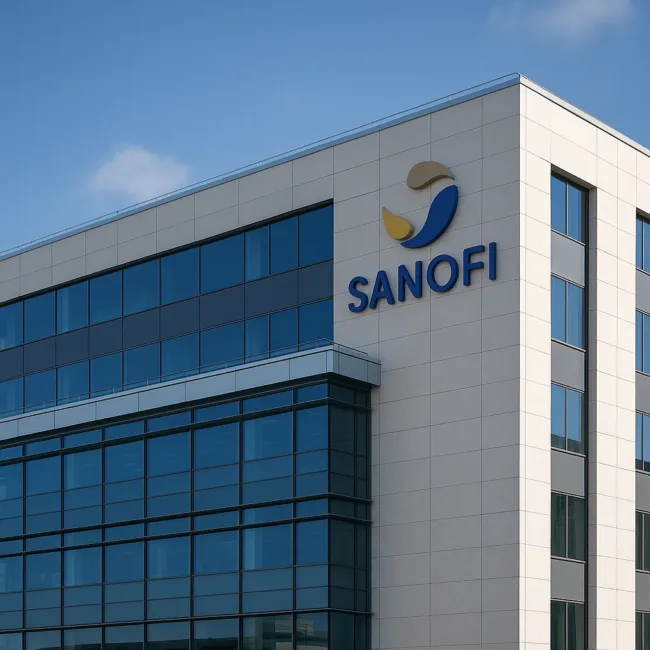
Sanofi’s $1.15 billion acquisition of Vicebio Ltd has sparked speculation among analysts that the French biopharmaceutical giant may not limit molecular clamp technology to RSV alone. With the platform capable of stabilizing viral proteins for multiple pathogens, institutional sentiment suggests Sanofi could be preparing to build a broader global respiratory vaccine franchise—potentially rivaling mRNA platforms in multi-pathogen protection and seasonal immunization programs.
Why is molecular clamp technology considered scalable beyond RSV and hMPV?
Molecular clamp technology, developed by Vicebio, stabilizes viral surface proteins in their native conformation, allowing the immune system to mount stronger responses. This platform’s flexibility is particularly attractive for respiratory viruses with similar structural challenges, such as influenza, coronaviruses, and parainfluenza viruses. Analysts believe Sanofi could repurpose the technology to create additional combination vaccines for respiratory infections that frequently co-circulate, especially in vulnerable populations.
Institutional investors also note that Sanofi’s global influenza vaccine expertise could accelerate the expansion of molecular clamp technology into new targets. By integrating molecular clamp-based antigens with its existing flu vaccine infrastructure, Sanofi could eventually offer comprehensive seasonal respiratory vaccines covering influenza, RSV, hMPV, and PIV3 in a single shot. Such a platform approach would position Sanofi as a leader in respiratory protection for older adults and immunocompromised individuals.
How could this platform strategy differentiate Sanofi from mRNA competitors?
While Pfizer and Moderna dominate the RSV market with mRNA vaccines, scaling mRNA technology to multi-pathogen combinations remains a challenge. Each mRNA component requires careful lipid nanoparticle formulation to ensure stability and efficacy, making combination vaccines more complex and expensive to produce. Molecular clamp vaccines, by contrast, use well-established protein production methods that allow multiple stabilized proteins to be formulated together.
Analysts believe this scalability could give Sanofi a cost and logistics advantage in global vaccination programs. Prefilled liquid formulations stored at standard refrigeration temperatures (2–8°C) make molecular clamp-based vaccines more suitable for emerging markets where mRNA cold-chain infrastructure is lacking. This operational simplicity, combined with Sanofi’s established distribution network, could help it secure public health contracts in both high-income and resource-limited countries.
Institutional sentiment also points to potential synergy with Sanofi’s existing AI-powered R&D framework. By leveraging AI to rapidly design stabilized proteins for different viruses, Sanofi could shorten development timelines and bring multi-pathogen vaccines to market faster.
What market opportunities could a molecular clamp-based respiratory platform unlock?
The global respiratory vaccine market is projected to surpass $25 billion annually by 2030, with growing demand for multi-pathogen protection in older adults and high-risk populations.
Analysts suggest that if Sanofi expands molecular clamp technology beyond RSV and hMPV, it could unlock several high-value opportunities in the respiratory vaccine market. One of the most significant prospects lies in seasonal combination vaccines for older adults, where a single shot covering influenza, RSV, hMPV, and parainfluenza virus Type 3 (PIV3) could become the standard in geriatric care facilities and national immunization programs. The platform also holds promise for pandemic preparedness, as its ability to stabilize viral proteins in their native conformation could accelerate the development of vaccines against emerging respiratory pathogens, positioning Sanofi as a key player in future pandemic response strategies. Additionally, the molecular clamp’s compatibility with cost-effective, protein-based production methods could make it ideal for emerging markets, helping Sanofi secure government procurement contracts in Asia, Africa, and Latin America, where infrastructure challenges continue to limit the adoption of mRNA vaccines.
Institutional investors estimate that if Sanofi successfully scales this platform, respiratory combination vaccines could add $2–3 billion annually to its vaccine revenues by the early 2030s.
What risks could slow Sanofi’s platform ambitions?
Despite its potential, molecular clamp technology remains in early development. Regulatory agencies will require extensive clinical data proving that multi-pathogen vaccines are both effective and safe, especially in older adults with weakened immune systems. The risk of antigen interference—where one component reduces the immune response to another—remains a significant scientific challenge.
Analysts also warn that competitors are not standing still. Pfizer and Moderna are already exploring combination mRNA vaccines integrating flu and RSV. If these products achieve strong efficacy and secure payer contracts before Sanofi’s molecular clamp vaccines reach late-stage trials, Sanofi may face an uphill battle convincing healthcare systems to switch.
Moreover, scaling molecular clamp technology to multiple respiratory viruses will require significant investment in clinical trials and manufacturing validation. Institutional sentiment remains cautiously optimistic, emphasizing that Sanofi will need to deliver strong results from Vicebio’s lead candidates, VXB-241 and VXB-251, before expanding the platform to other targets.
Could molecular clamp technology redefine Sanofi’s vaccine business by 2030?
If successful, molecular clamp technology could shift Sanofi’s vaccine business model from being primarily flu-focused to a broader respiratory franchise leader. Analysts believe the acquisition signals a strategic vision to create a sustainable platform for multi-pathogen immunization, providing recurring revenues through seasonal campaigns and government procurement programs.
Institutional investors highlight that this platform approach aligns with Sanofi’s broader strategy of pursuing bolt-on acquisitions that bring proprietary technologies rather than competing solely on scale. By integrating Vicebio’s technology into its existing vaccine ecosystem, Sanofi could establish a durable competitive advantage in both developed and emerging markets.
Discover more from Business-News-Today.com
Subscribe to get the latest posts sent to your email.