




Petro Matad Limited (AIM: MATD) is betting on a low-cost, high-impact testing program to unlock new production from its Block XX assets in Mongolia, just days after completing a £2.84 million equity raise. With a sharply discounted placing triggering a 25% fall in share price, investor attention has now shifted toward operational execution—specifically, whether appraisal at Heron-2 and grid-linked cost reductions at the Heron-1 production well can meaningfully strengthen the group’s margin profile by the end of 2025.
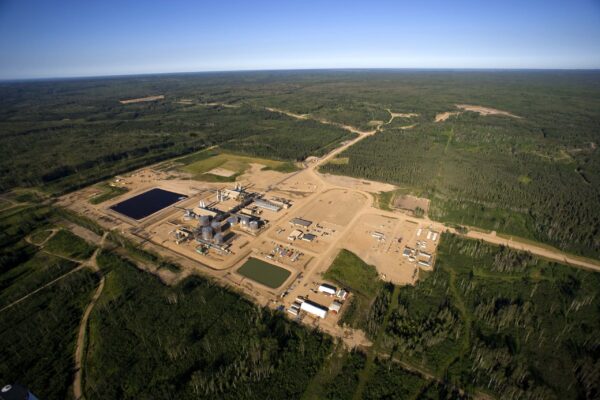
Heron-2, which was confirmed as oil-bearing in 2024, is the centrepiece of this new capital deployment strategy. The well sits just upstream of the producing Heron-1 site, where existing production infrastructure—including a pipeline and storage facilities—is already in place. Petro Matad plans to test Heron-2 at minimal cost, leveraging surface-level access and wellhead connections that significantly reduce the typical time and capital needed to appraise a prospect in this geography. The strategy is to bring Heron-2 onstream rapidly should test results prove commercially viable, feeding directly into Petro Matad’s short-cycle revenue plans.
This field-level optimisation is complemented by a parallel cost-saving initiative at Heron-1. Petro Matad is preparing to shift power supply for the producing well from diesel generators to grid electricity—an upgrade expected to materially reduce operating expenditure. The shift reflects a broader operational reset, with management emphasising margin gains through energy efficiency and infrastructure reuse rather than costly new drilling.
Can fast-track Heron-2 appraisal and grid-power savings at Heron-1 improve Petro Matad’s margin profile in 2H25?
While the July capital raise diluted shareholders by nearly 19.3%, analysts watching AIM-listed energy names believe that success at Heron-2 could restore market confidence. With placing funds already allocated, the next few months will test whether Petro Matad’s margin-first strategy can deliver tangible production and revenue upside. Heron-2 represents a potentially near-term catalyst—and unlike earlier wildcats, its appraisal is backed by known reservoir characteristics, proximity to existing infrastructure, and government-approved licensing.
The stakes are high, especially given Petro Matad’s ambition to use production gains from Block XX as a springboard for broader asset monetisation. The firm has been actively seeking development partners to scale output from the basin, and a successful Heron-2 test could materially improve its negotiation leverage. At the same time, faster payback from Heron-1 and Heron-2 operations would strengthen internal cash flows, reducing future dependence on equity raises or asset sales.
Looking ahead, investors will be closely watching for test result disclosures and production ramp-up timelines across the second half of 2025. Petro Matad’s leadership has positioned this as a make-or-break moment for proving that its capital-light model—built on efficiency and field reuse—can still yield meaningful oil volumes. If Heron-2 flows at commercial rates and connects seamlessly into Heron-1 facilities, it may validate a broader strategy that’s been years in the making.
Discover more from Business-News-Today.com
Subscribe to get the latest posts sent to your email.