




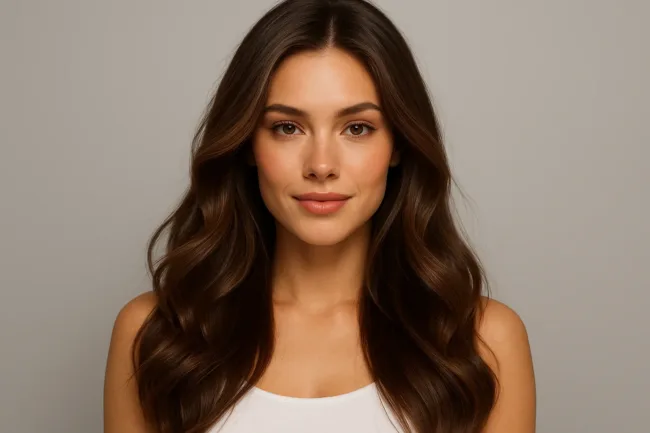
Celebrity hair colorist Ashley Hamman, owner of the popular salon Ashley Jay Hair in Paso Robles, California, is urging clients and followers alike to adopt 10 critical shampooing habits to keep their hair healthier, more manageable, and resistant to breakage. With two decades of professional styling experience, Hamman’s approach combines foundational hair science with personalized advice for different hair types, and her newly shared guidelines are resonating across social media.
The habits—now featured in her client consultations and shared publicly online—range from pre-wash detangling to proper towel-drying techniques. While many consumers are eager to experiment with trendy hair products, Hamman says it’s the routine of washing that often determines hair health over time.
Why is it important to follow specific shampooing techniques to preserve hair health and prevent damage?
For many consumers, the act of washing hair feels intuitive—lather, rinse, repeat. But according to professional stylists like Hamman, improper techniques can strip hair of its natural oils, cause scalp inflammation, and worsen split ends. Haircare professionals increasingly emphasize a methodical and gentle approach to shampooing that reduces stress on the hair shaft and follicle while preserving moisture balance.
Hamman, who has operated Ashley Jay Hair since 2004, says that bad habits—like harsh scrubbing or using overheated water—can accelerate hair thinning and dullness. The newly shared guidelines are intended to build good shampooing hygiene as a foundation before introducing styling or conditioning regimens.
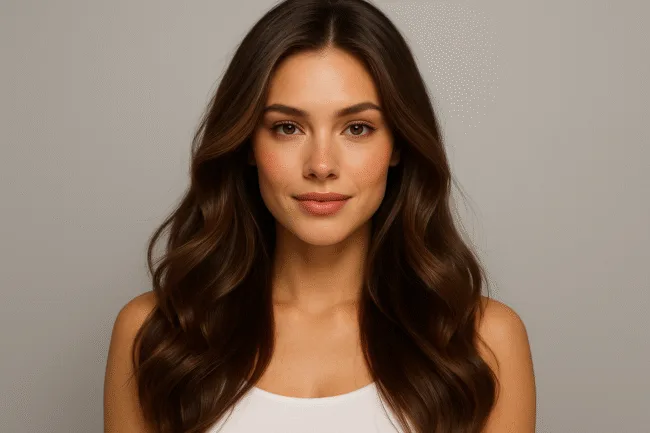
What role does water temperature, shampoo formulation, and technique play in maintaining natural oils?
According to Hamman’s best practices, using lukewarm water is key to preserving the scalp’s protective sebum layer. Hot water can strip essential lipids, leading to a dry, irritated scalp and brittle strands. In contrast, colder water doesn’t fully activate the surfactants in most shampoos, leading to incomplete cleansing.
Equally important is shampoo selection. Hamman urges clients to consult professionals or salon experts when choosing shampoo, emphasizing that formulations must align with individual hair textures—whether curly, color-treated, fine, or chemically processed. The wrong product, she says, can upset scalp pH and lead to flaking, greasiness, or hair shaft weakening over time.
Technique also plays a central role. Gentle fingertip massaging—not aggressive scrubbing—stimulates circulation without disrupting the follicle. Using only a quarter-sized amount of product avoids over-cleansing, particularly for clients who wash frequently.
What are the most common mistakes clients make when shampooing and drying their hair?
Based on her experience with thousands of clients over the past 20 years, Hamman identifies a few consistent missteps: detangling after, rather than before, washing; using towels to rub hair dry; and applying heated tools on wet hair. Each of these increases the likelihood of hair breakage and frizz.
Hamman advises that hair be gently combed with a wide-toothed detangling comb before stepping into the shower, especially for those with wavy or textured hair. This pre-cleansing step minimizes tangling during shampooing. After rinsing, blotting with a microfiber towel instead of vigorously rubbing with a regular towel helps preserve the hair cuticle’s integrity.
Letting hair air dry to a slightly damp stage before using styling tools also prevents heat-induced damage—a key concern for clients who style regularly.
How do conditioning and rinsing routines influence long-term hair quality and scalp balance?
Conditioning is often treated as optional by hurried consumers, but Hamman strongly disagrees. She insists that conditioners tailored to a client’s hair type are essential in maintaining hydration, elasticity, and smoothness. Skipping conditioner, or using one not designed for a client’s hair texture, leaves strands vulnerable to environmental stress and mechanical damage.
Proper rinsing is just as critical. Hamman explains that leftover residue from shampoo or conditioner can build up on the scalp, potentially clogging follicles and leading to dullness or irritation. Clients are advised to rinse thoroughly, ensuring all product is cleared from both roots and ends.
As part of a holistic hair care approach, Hamman also recommends occasional scalp treatments or “hair masks” to restore moisture and remove buildup, especially for those living in dry climates or with chemically processed hair.
How are stylists incorporating education and routine habits into client consultations today?
In modern salons like Ashley Jay Hair, service increasingly goes beyond cutting or coloring. Consultations now routinely include lifestyle assessments, scalp analysis, and education around daily habits. Hamman says she spends time during appointments explaining how clients can adapt shampooing, drying, and product use to fit their hair’s unique needs.
Ashley Jay Hair also shares tutorials and tips across its social media platforms, expanding access to these insights beyond in-person visits. The salon is among the first in California’s Central Coast to blend traditional hairstyling with structured education—an approach that’s gaining popularity nationally, especially among clients dealing with breakage, thinning, or slow growth.
Why are long-term habits more effective than high-end products in achieving healthy hair?
While there’s no shortage of luxury shampoos and serums on the market, Hamman maintains that results are determined more by consistency and technique than price point. She emphasizes that even the most expensive treatments won’t deliver lasting results if hair is repeatedly damaged through improper washing or drying habits.
For example, overwashing—especially with clarifying shampoos—can strip protective oils and damage the scalp’s microbiome. On the flip side, infrequent washing can allow buildup and bacteria to accumulate, leading to odor and itchiness. A balanced routine, customized to individual needs and anchored in consistent technique, yields the healthiest results over time.
What is the future of personalized hair care, and how do salons like Ashley Jay Hair lead the way?
The haircare industry is steadily shifting toward customization. Salons like Ashley Jay Hair are pioneering this shift by offering integrated consultations that look at client history, hair biology, and product compatibility. The Natural Beaded Rows™ (NBR) extension method offered at Ashley Jay Hair is one example of this trend toward precision styling—matching the client’s lifestyle, scalp health, and aesthetic goals.
As consumer demand grows for transparency and long-term results, stylists who provide guidance grounded in dermatological health and evidence-based habits are seeing increased loyalty. This signals a broader transition in the salon industry: from purely aesthetic services to health-focused, science-backed client care.
Institutional sentiment within the beauty industry supports this evolution. Market analysts expect that over the next 3–5 years, hair salons offering consultative education as part of service packages will experience higher retention and revenue growth compared to traditional walk-in salons. Ashley Jay Hair’s forward-thinking model is well aligned with this emerging standard.
Discover more from Business-News-Today.com
Subscribe to get the latest posts sent to your email.

