



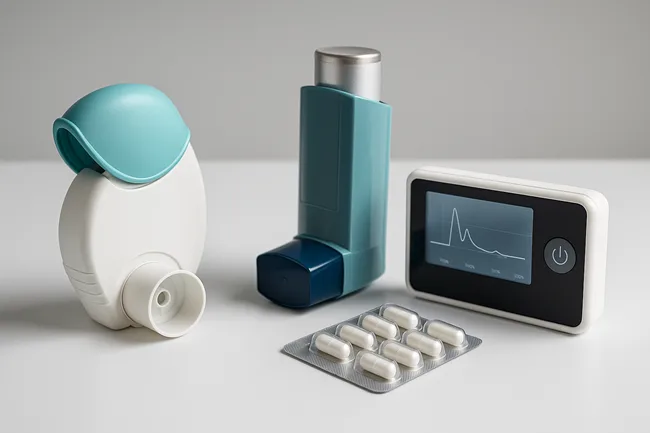
Why is Lupin’s respiratory strategy gaining global momentum in 2025?
Lupin Limited (NSE: LUPIN, BSE: 500257), the Mumbai-based pharmaceutical major, is intensifying its global respiratory care strategy with a mix of pipeline expansions, licensing partnerships, and emerging market penetration. The recent licensing and supply agreement with Sino Universal Pharmaceuticals for the commercialization of Tiotropium Dry Powder Inhaler (DPI) in China marked more than just another product push—it signaled Lupin’s growing ambition to become a long-term respiratory therapeutics player across both regulated and emerging markets.
The deal involves Lupin retaining manufacturing and marketing authorization responsibilities for Tiotropium DPI, a long-acting muscarinic antagonist used in chronic obstructive pulmonary disease (COPD). Meanwhile, Sino Universal Pharmaceuticals will handle the regulatory approvals in China. This alliance allows Lupin to enter China’s high-burden COPD market without setting up a full local subsidiary—a strategy that may well be replicated in other East Asian geographies.
Over the past five years, Lupin has built a respiratory franchise that goes beyond the Indian generics playbook. It has invested in complex generics, inhalation delivery systems, and digitally connected health solutions—all targeting chronic respiratory conditions such as asthma and COPD. With global inhaler markets expected to exceed USD 45 billion by 2027, Lupin’s timing could prove critical for long-term value creation.
What are the key inhalation and respiratory assets currently in Lupin’s development or commercial portfolio?
Lupin’s respiratory portfolio is composed of both approved products and pipeline assets focused on bronchodilation, corticosteroids, and combination therapies. The most prominent among these is Tiotropium DPI (18 mcg/capsule), now being positioned for Chinese commercialization. But this is just one part of a broader strategic set.
In the United States and Europe, Lupin already markets and develops several inhalation-based therapies including Albuterol, Fluticasone–Salmeterol combinations, and Budesonide inhalers, which mirror branded products like Advair and Pulmicort. Many of these are complex generics involving metered-dose inhalers (MDIs) or dry powder inhalers (DPIs), which require significant R&D, device engineering, and bioequivalence studies.
The Indian pharmaceutical firm also has ANDAs (Abbreviated New Drug Applications) pending approval with the U.S. Food and Drug Administration (USFDA) for various inhalation drugs targeting asthma and allergic rhinitis. These include combination therapies such as Mometasone–Formoterol, Glycopyrrolate-based inhalers, and long-acting beta-agonist (LABA) formulations designed for once-daily administration.
Lupin’s Goa and Pithampur facilities—both USFDA-inspected—have inhalation manufacturing capabilities tailored for regulated markets. Device partnerships with European and Asian manufacturers further support its product development and scale-up potential.
How is Lupin’s respiratory business model evolving beyond generics and toward specialty innovation?
While many Indian drugmakers remain focused on off-patent replication, Lupin Limited is pushing deeper into differentiated respiratory products that combine drug-device design, patient adherence tools, and real-world evidence capabilities. The firm’s acquisition of a specialty R&D pipeline in Europe in 2022 helped it build formulation strength in next-generation corticosteroids and dual-action bronchodilators.
A notable differentiator in Lupin’s strategy is its embrace of digital respiratory health. Through Lupin Digital Health, the company is piloting connected inhaler platforms that integrate sensors and mobile apps to track usage and provide adherence data to both patients and physicians. These digital therapeutics, still in early-stage validation, may be paired with physical products like DPIs to create hybrid offerings—particularly relevant in private-pay markets such as the U.S., U.K., and Australia.
At the institutional level, Lupin has received positive commentary from brokerage analysts citing respiratory as a future earnings growth driver. According to ICICI Direct and Motilal Oswal reports from Q4 FY25, Lupin’s respiratory and diabetes therapies are now accounting for over 28% of its branded generics sales in regulated markets—up from less than 20% in FY21.
Why is COPD becoming a cornerstone of Lupin’s global expansion strategy?
Chronic obstructive pulmonary disease affects over 390 million people worldwide and remains underdiagnosed and undertreated in many low- and middle-income countries. Tiotropium, as a once-daily bronchodilator, has long been a cornerstone therapy and is considered a gold standard by the Global Initiative for Chronic Obstructive Lung Disease (GOLD) guidelines.
Lupin’s decision to launch Tiotropium DPI in China—where COPD has one of the highest prevalence rates globally—aligns with market logic. Chinese health authorities are prioritizing chronic disease management through broader formulary coverage and greater provincial budget allocations. Lupin’s entry is timely, especially given ongoing shifts in public reimbursement models in cities like Shanghai, Shenzhen, and Fuzhou.
But this is not just about China. Lupin has identified high-growth respiratory opportunities across Southeast Asia, Latin America, and Eastern Europe, where population aging, tobacco use, and urban pollution have created massive demand for affordable inhalation treatments. In countries like Vietnam, Indonesia, and Mexico, Tiotropium and Budesonide-based generics are being explored as part of national health procurement programs—markets Lupin may tap via licensing deals or direct tenders.
What is the financial and institutional sentiment around Lupin’s respiratory strategy?
Lupin Limited has seen renewed investor interest following multiple quarters of improving EBITDA margins, regulatory clarity, and a pivot toward complex generics. Its respiratory business, now contributing a growing share of U.S. and international revenues, is being closely tracked by institutional investors.
As of mid-June 2025, Lupin’s shares are trading near ₹2,000 levels, with a market cap exceeding ₹91,000 crore. The stock’s 52-week high of ₹2,402.90 is within reach, according to several analysts, provided further launches materialize in the respiratory and diabetes portfolios. The company’s adjusted P/E ratio of 27.62 reflects moderate optimism, with valuation premia tied to respiratory segment performance, particularly in the U.S., China, and Japan.
Brokerage houses such as HDFC Securities, Nuvama, and Axis Capital have noted in recent earnings calls that Lupin’s respiratory filings could unlock $200–300 million in annual revenues by FY27 if key approvals go through. Institutional investors are also watching whether Lupin can expand biologics or biosimilar applications to respiratory conditions—particularly monoclonal antibody-based therapies for severe asthma.
What challenges and opportunities lie ahead for Lupin in scaling its respiratory portfolio globally?
Despite Lupin’s momentum, several hurdles remain. Regulatory approval timelines for complex inhalers are inherently long and often require additional clinical studies. Device compatibility, patient training, and market-specific guidelines also vary across regions, complicating standardization.
However, Lupin’s forward integration into digital therapeutics, regional licensing, and supply chain localization could help offset these barriers. For example, the firm may use its experience in India and South Africa to create low-cost manufacturing hubs serving Asia and Africa under WHO PQ (prequalification) frameworks. Also, partnerships like the one with Sino Universal Pharmaceuticals could be replicated in ASEAN countries or MENA regions.
Further innovation around soft mist inhalers, dual therapy DPI devices, or biologic adjuncts for severe asthma and pulmonary fibrosis may also help Lupin move up the value chain and reduce dependence on pure generics.
What does Lupin’s respiratory trajectory suggest about its long-term positioning in global pharma?
Lupin Limited appears to be evolving from a generics-first player to a specialty-oriented respiratory leader. Its strategy encompasses end-to-end integration—from product development and regulatory filing to digital patient engagement and geographic expansion. With a foundation now established in the U.S., India, and China, Lupin is building a multi-pronged portfolio that could anchor its growth well into the 2030s.
The Tiotropium DPI deal in China may be just one step, but it is part of a broader chessboard where inhalation therapies, smart adherence tools, and global licensing converge. If executed successfully, Lupin could emerge as one of the few Indian pharma firms with a truly global respiratory identity.
Discover more from Business-News-Today.com
Subscribe to get the latest posts sent to your email.