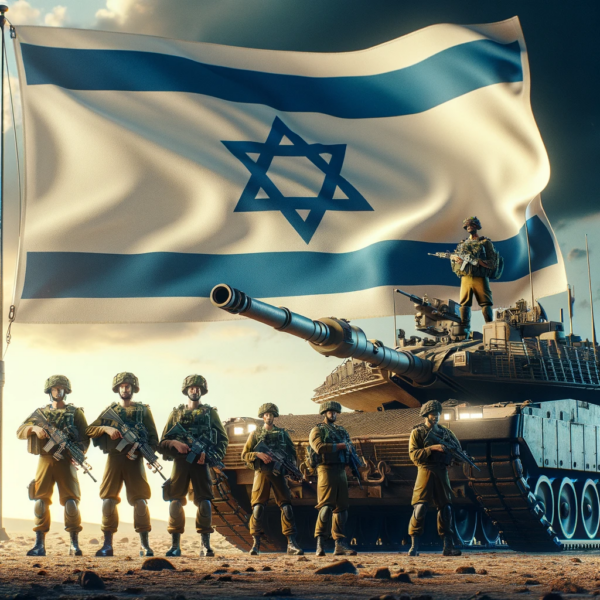




Explosions rocked eastern Tehran in the early hours of June 13 after Israel launched a sweeping preemptive strike on Iranian nuclear and military facilities, escalating one of the most volatile flashpoints in the Middle East. Within minutes, air raid sirens blared across central Israel, including Tel Aviv, as Defense Minister Israel Katz declared a nationwide state of emergency and warned of an imminent missile and drone response from Iran.
According to statements from the Israeli Defense Forces (IDF), the strikes targeted key components of Iran’s nuclear infrastructure, including suspected weapons development and uranium enrichment sites in Natanz, Fordow, and Parchin. Iranian state media confirmed defensive activity over Tehran, with emergency air defenses activated and explosions visible in multiple districts. No confirmed Iranian retaliation was reported at the time of filing, though Iranian forces were placed on elevated alert.

Why did Israel target Iranian nuclear sites?
Defense Minister Katz stated that the action was based on credible intelligence showing Iran had enriched enough uranium to produce multiple nuclear warheads and had begun deploying advanced centrifuges at undisclosed underground facilities. Israeli officials described the situation as a national security threshold moment, asserting that failure to act would have allowed Iran to reach irreversible nuclear capability.
The strikes come after Iran refused to resume cooperation with the International Atomic Energy Agency (IAEA) and walked away from a proposed U.S.–EU framework for reviving the 2015 Joint Comprehensive Plan of Action (JCPOA). Earlier this month, the IAEA issued a formal censure of Tehran for blocking inspections and failing to declare sites. Israeli leadership viewed this diplomatic breakdown and nuclear progress as constituting an imminent and unacceptable threat.
Which Iranian locations were struck and how did Tehran respond?
The strikes reportedly used a combination of precision air-launched munitions and stand-off missiles, possibly supported by cyber-electronic disruption. Targets included the Natanz and Fordow enrichment facilities—both located underground—as well as the Parchin complex, long suspected to be linked to weapons-grade explosive testing.
Iranian state broadcaster IRIB aired footage of smoke over eastern Tehran and claimed its Revolutionary Guard Corps (IRGC) had successfully intercepted several aerial threats. The Iranian Foreign Ministry condemned the attack as an act of war and vowed retaliation. Missile units were repositioned near Iran’s western borders, and proxy forces linked to the IRGC were reportedly placed on high alert across Iraq, Syria, and Lebanon.
How are Israeli civilians and emergency services reacting?
Israel’s Home Front Command immediately raised its civilian alert to Level 5, the highest state of readiness under the country’s emergency framework. Missile defense systems—including Iron Dome, David’s Sling, and Arrow batteries—were redeployed around population centers in central and northern Israel.
Residents in Tel Aviv, Haifa, and Ashdod were instructed to enter shelters or secure rooms and avoid public gatherings. Ben Gurion International Airport suspended commercial traffic, and several urban rail lines were halted. Hospitals canceled elective procedures, expanded emergency response teams, and activated trauma protocols. Reservists in civil defense, cybersecurity, and military logistics were called up within hours of the strike.
What is the United States’ stance on the strike?
The United States clarified that it had no involvement in Israel’s operation and was notified only shortly before the strikes occurred. A White House spokesperson reaffirmed America’s commitment to de-escalation but acknowledged that regional allies have the right to defend themselves against existential threats.
President Donald Trump, addressing the crisis from Washington, said an Israeli strike “could very well happen” and warned it may disrupt ongoing U.S.–Iran nuclear talks. He reiterated the U.S. preference for diplomacy and confirmed that American forces in the region had been repositioned to avoid entanglement. Non-essential U.S. diplomatic staff in Tel Aviv, Baghdad, and Amman were offered voluntary evacuation.
How have global markets and world powers responded?
The geopolitical shock sent crude oil prices soaring, with Brent futures rising over 5% to breach $91 per barrel. Global equity markets responded with a sell-off, particularly in Europe and Asia, as investors moved toward gold and other safe-haven assets. Currency volatility spiked, with the U.S. dollar strengthening against emerging market currencies.
The United Nations Security Council scheduled an emergency meeting. The European Union urged restraint from both parties, warning of the risks of full-scale war. Russia and China issued statements condemning Israel’s actions and accusing the West of encouraging escalation. Meanwhile, Gulf states including Saudi Arabia and the UAE have refrained from direct comment but reportedly raised regional readiness levels.
What historical context underpins Israel’s action?
Israel has a history of taking unilateral action to prevent nuclear proliferation in hostile states. In 1981, Israeli jets destroyed Iraq’s Osirak nuclear reactor. In 2007, a similar operation targeted Syria’s suspected nuclear site in Deir ez-Zor. These preemptive actions—guided by the so-called Begin Doctrine—are based on the principle that Israel will not allow regional adversaries to acquire nuclear capabilities.
Against Iran, Israel has traditionally used covert tactics—such as cyberattacks like Stuxnet in 2010 and targeted killings of nuclear scientists—to stall progress. However, this is the first time Israel has acknowledged direct, open military action on Iranian territory specifically targeting nuclear infrastructure, marking a new and potentially more dangerous chapter in their conflict.
What happens next as tensions escalate?
As of filing this story, no confirmed retaliatory strikes had occurred, but Israeli authorities remain on high alert. The IDF’s Northern Command is monitoring troop and missile movements in southern Lebanon, anticipating possible action by Hezbollah. Israeli airspace remains partially restricted, and several embassies in the region have updated security protocols for their personnel.
Diplomatic backchannels through Oman and Switzerland are reportedly engaged, though no formal ceasefire initiatives have been announced. Intelligence agencies in the U.S., Israel, and Europe are tracking communications between Iran and its proxy militias, with concerns rising that the conflict could expand through coordinated regional attacks.
Military analysts and institutional observers widely agree that the next 24–72 hours will be pivotal. Should Iran respond with a large-scale missile barrage or proxy activation in multiple theaters, the situation could escalate into a sustained regional war. On the other hand, a delayed or limited response may signal a strategic pause, with both sides using backchannels to contain escalation.
For now, the region stands on a knife’s edge—between calibrated confrontation and uncontrollable war.
Discover more from Business-News-Today.com
Subscribe to get the latest posts sent to your email.